How to Extend Mounted Bearing Unit Service Life
- Share
- Issue Time
- May 27,2026
Summary
Learn how to extend mounted bearing unit service life through proper installation, lubrication, sealing, alignment, and routine inspection. Discover practical ways to reduce downtime and improve equipment reliability.
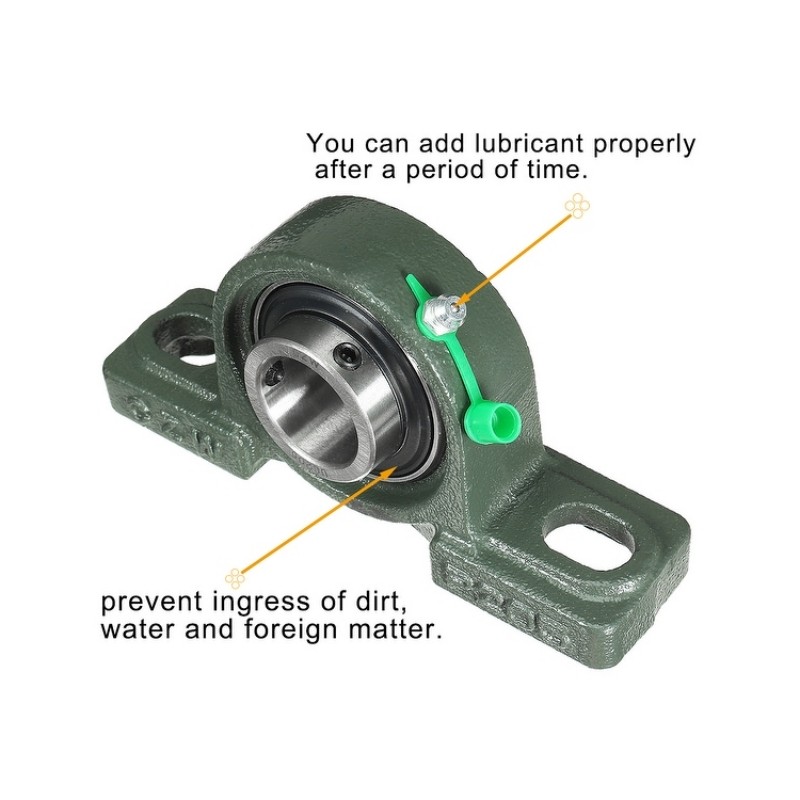
Mounted bearing units are widely used in conveyor systems, agricultural machinery, mining equipment, packaging lines, and many other industrial applications.
Two identical bearing units are operating under seemingly similar conditions, yet one lasts for years while the other fails prematurely. The difference usually comes down to operating practices rather than the bearing unit itself.
In most cases, premature failures are caused by contamination, lubrication issues, misalignment, or installation errors. Understanding these factors can help maintenance teams reduce downtime, lower replacement costs, and improve overall equipment reliability.
Why Mounted Bearing Units Fail Early
When a mounted bearing unit fails earlier than expected, it is often linked to operating conditions.
Common causes include:
• Improper lubrication
• Dust and moisture contamination
• Shaft misalignment
• Installation errors
• Excessive loads
• Damaged seals
Many of these issues develop slowly and remain unnoticed until vibration, overheating, or noise becomes severe.
Start with Proper Installation
Even the highest-quality bearing unit cannot perform properly if it is installed incorrectly. Common installation mistakes include:
• Poor shaft alignment
• Uneven mounting surfaces
• Excessive tightening force
• Improper locking procedures
These issues create unnecessary internal stress that may eventually lead to vibration, heat generation, and premature wear.
Proper installation helps ensure that loads are distributed evenly and that the bearing operates under the conditions it was designed.
For a detailed installation guide, see our article: How to Install Mounted Bearing Units Properly
Lubrication Matters More Than Most People Think
Lubrication is one of the most important factors affecting bearing life.
Many people assume that bearing failures occur because there is not enough grease. In reality, both insufficient lubrication and excessive lubrication can create problems.
Too Little Lubrication
Insufficient grease increases metal-to-metal contact, leading to: higher friction, increased temperature, and accelerated wear.
Over time, bearing surfaces may become damaged, significantly reducing operating life.
Too Much Lubrication
Excess grease creates churning inside the bearing, generating heat and potentially damaging seals.
In severe cases, excess pressure may force grease out of the sealing system, allowing contaminants to enter.
Using the Correct Lubricant
Not all grease is suitable for every application.
Factors such as temperature, speed, moisture exposure, and operating environment should be considered when selecting lubricants.
Protect Bearing Units From Contamination
Dust, sand, water, chemicals, and debris can enter the bearing and gradually damage internal surfaces.
This is especially common in:
• Mining operations
• Aggregate processing
• Agricultural equipment
• Outdoor conveyor systems
Once contaminants enter the bearing, lubrication effectiveness decreases, and wear rates increase rapidly. A well-designed sealing system is often the first line of defense. Regular inspection of seals and replacement of damaged components can dramatically improve service life.
Regular Alignment Checks Prevent Wear
Misalignment is one of the most overlooked causes of premature bearing failure. Even a small alignment error can create uneven load distribution across the bearing. Over time, this may lead to:
• Increased vibration
• Elevated operating temperatures
• Seal wear
• Housing fatigue
Routine alignment checks help identify potential issues before major damage occurs.
Many maintenance focuses on lubrication while overlooking alignment verification, even though both are equally important.
Monitor Seals and Housing Condition
Damaged seals allow contaminants to enter and lubricant to escape. Meanwhile, housing damage may affect shaft support and load distribution. During routine inspections, look for: Cracked housings, Loose mounting bolts, Seal damage, Corrosion, and Excessive grease leakage.
Addressing these issues early can prevent more serious failures later. This is particularly important in wet, corrosive, or dusty environments.
Inspect Before Failure Happens
The most effective maintenance strategy is not repairing failed components—it is identifying problems before failure occurs.
Many warning signs appear long before catastrophic breakdowns. A simple inspection program can significantly reduce unexpected downtime.
| Warning Sign | Possible Cause |
| Unusual Noise | Lubrication problems |
| Excessive Vibration | Misalignment or wear |
| Grease Leakage | Damaged seals or over-greasing |
High Temperature | Overload or lubrication issues |
Corrosion | Moisture exposure |
Housing Movement | Loose mounting bolts |
Regular monitoring helps maintenance teams take corrective action before equipment reliability is affected.
Service Life Extension Checklist
The following checklist summarizes the most important practices for extending the mounted bearing unit life:
✓ Ensure proper installation
✓ Follow correct lubrication intervals
✓ Avoid over-greasing
✓ Protect against contamination
✓ Inspect seals regularly
✓ Verify shaft alignment
✓ Monitor temperature and vibration
✓ Replace damaged components promptly
While each application has unique requirements, these practices can significantly improve reliability across most operating environments.
 Quick Inquiry Now
Looking for Reliable Mounted Bearing Units?
We provide mounted bearing units engineered for demanding industrial environments, including conveyor systems, agricultural equipment, mining machinery, and food processing applications.
Our solutions feature:
• Durable housing designs
• Advanced sealing systems
• Precision-machined components
• Corrosion-resistant options
• Long service life in harsh conditions
Contact us today to discuss the right bearing unit solution for your application.
FAQ
Can over-greasing damage a bearing unit?
Yes. Excessive grease can increase operating temperature, damage seals, and reduce bearing efficiency.
What is the most common cause of premature bearing failure?
Contamination and lubrication issues are among the most common causes of early failure.
How can I tell if a bearing unit is misaligned?
Common symptoms include vibration, uneven wear, abnormal temperature rise, and reduced bearing
life.