How to Install Mounted Bearing Units Properly?
- Share
- Issue Time
- May 6,2026
Summary
Learn how to properly install mounted bearing units to reduce vibration, prevent premature failure, and improve equipment reliability. This guide covers alignment, mounting tips, common mistakes, and maintenance checks for industrial applications.
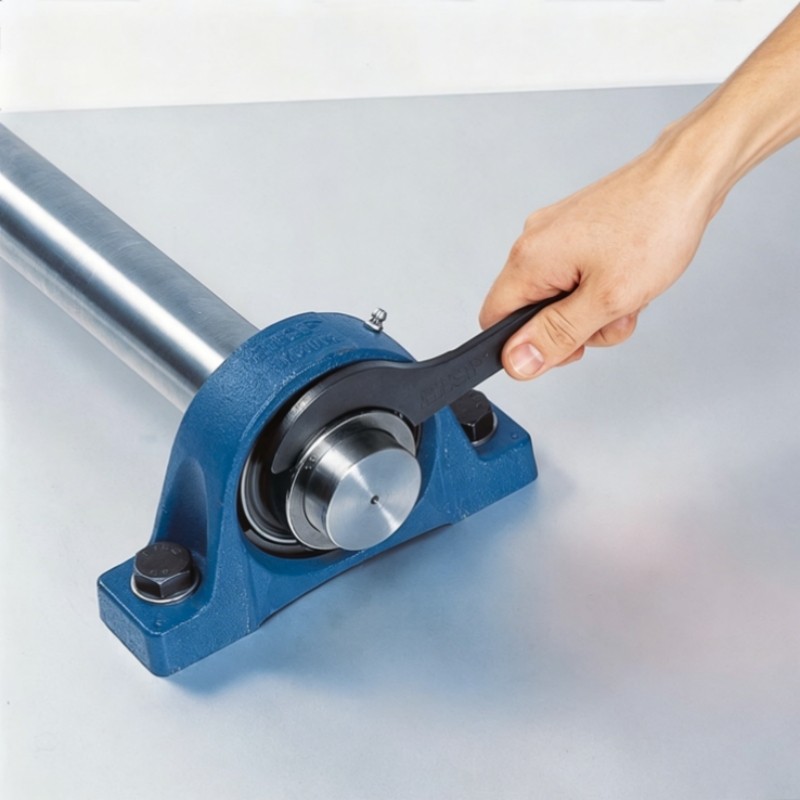
Mounted bearing units are designed to simplify installation and improve shaft support in industrial machinery. However, even a high-quality bearing unit can fail prematurely if it is installed incorrectly. Excessive vibration, overheating, housing cracks, uneven wear, and grease leakage are all common symptoms of improper installation.
That is why correct installation is just as important as choosing the right bearing unit.
Why Proper Installation Matters
A mounted bearing unit may look simple from the outside, but during operation, it is constantly exposed to load, vibration, shaft movement, and environmental contamination.
If the housing is not aligned correctly or if the shaft creates uneven stress inside the bearing, the unit will not operate as intended.
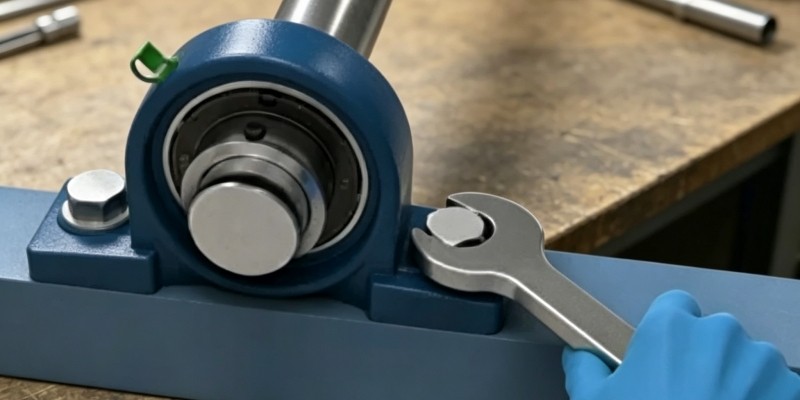
In many cases, the bearing insert itself is still usable, while the real problem comes from:
shaft misalignment
distorted housing mounting
over-tightened bolts
improper locking methods
Over time, these issues can significantly reduce service life and increase maintenance costs. Especially in conveyor systems and mining equipment, even small installation errors can eventually lead to major downtime.
Before Installation: What Should Be Checked?
• One of the most overlooked issues is shaft condition.
A shaft with rust, burrs, or surface damage may create uneven contact with the bearing inner ring. This can affect locking performance and increase vibration during operation.
• The mounting surface should also be inspected carefully.
If the base surface is uneven or lacks rigidity, the housing may deform slightly after the bolts are tightened. Even minor deformation can affect alignment accuracy.
•It is also important to inspect the bearing unit itself before installation.
Check for: visible housing cracks, damaged seals, contamination inside the bearing, and insufficient grease.
Although these checks only take a few minutes, they can prevent major problems later.
Step-by-Step Installation Process
Mounted bearing units are relatively easy to install, but proper procedure still matters.
Step 1 — Clean the Shaft and Mounting Surface
Dust, metal particles, or old grease residues can affect alignment and create unnecessary stress inside the bearing.
Step 2 — Position the Bearing Unit Correctly
Slide the bearing unit gently onto the shaft. The housing should sit naturally on the mounting surface without forcing it into position.
One common mistake is using excessive hammer force directly on the housing or bearing insert. This may damage internal bearing components or create hidden stress that later causes vibration and noise.
If adjustment is needed, soft installation tools should be used carefully.
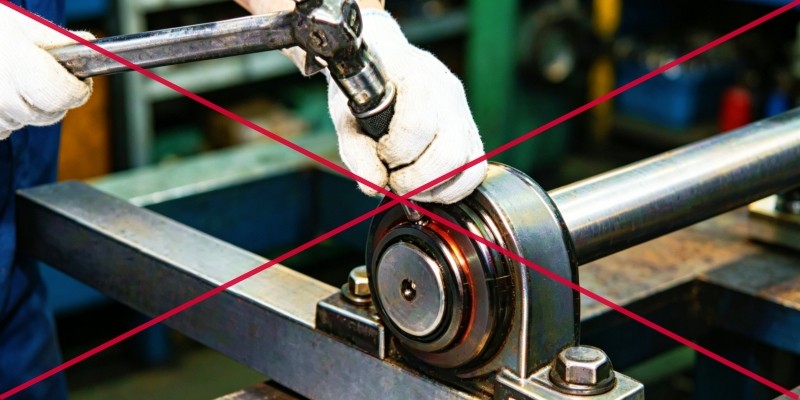
Step 3 — Tighten Housing Bolts Lightly First
Lightly tighten the bolts first so the unit can still move slightly during shaft alignment. This allows the shaft to settle into a more natural operating position before final tightening.
Step 4 — Align the Shaft Properly
Alignment is one of the most critical parts of the entire installation process.
Poor shaft alignment creates uneven load distribution inside the bearing, which may result in:
overheating
abnormal vibration
accelerated wear
premature seal failure
Many failures of mounted bearing units are actually alignment problems in disguise.
For systems with multiple bearing units supporting one shaft, alignment accuracy becomes even more important.
Step 5 — Tighten Set Screws Correctly
After alignment is completed, tighten the set screws gradually and evenly.
Over-tightening should be avoided. Excessive tightening may damage the shaft surface and increase bearing preload, leading to overheating during operation.
Step 6 — Confirm Free Shaft Rotation
Before startup, rotate the shaft manually. The shaft should rotate smoothly without unusual resistance or noise.
If any abnormal friction or vibration is noticed during manual rotation, alignment, and mounting, conditions should be rechecked immediately.
This simple inspection can prevent costly downtime later.
Common Installation Mistakes
Many mounted bearing problems are caused by a few common installation errors. Knowing these mistakes can significantly improve bearing life.
Hammering the Housing During Installation
Over-Tightening Mounting Bolts
Ignoring Shaft Alignment
Locking Both Bearing Units Rigidly
In harsh environments such as mining and aggregate applications, improper installation can accelerate mounted bearing unit failures even further. Dust contamination, heavy shock loads, and shaft misalignment often become more severe when bearing units are installed incorrectly.
You can also read our detailed guide on Mounted Bearing Unit Failure Causes in Mining Applications to learn how harsh operating conditions affect bearing housing performance and service life.
Post-Installation Inspection
During initial operation, the bearing unit should be monitored carefully.
Operators should check for: abnormal vibration, unusual noise, excessive temperature rise, grease leakage, housing movement
In heavy-duty applications, early inspection is especially important because installation stress sometimes becomes visible only after the machine begins operating. A short inspection period after installation can prevent unexpected failures later.
 Quick Inquiry Now
Looking for Reliable Mounted Bearing Units?
We provide high-quality mounted bearing units designed for demanding industrial applications, including conveyor systems, mining equipment, and agricultural machinery.
Our solutions feature:
precision-machined housings
durable sealing systems
heavy-duty structural design
reliable shaft support
long service life in harsh environments
Contact us today for professional support and competitive pricing for your application.
FAQ
Why is my pillow block bearing overheating after installation?
Overheating is often caused by poor alignment, excessive tightening, insufficient lubrication, or improper shaft fit.
Should both bearing units be locked tightly on the shaft?
Not always. In long shaft systems, one side is often designed as a floating bearing position to allow thermal expansion.
What causes vibration after a mounted bearing installation?
Common causes include shaft misalignment, uneven mounting surfaces, housing distortion, or improper tightening procedures.