What Is a Split Taper Bushing?
- Share
- Issue Time
- Jan 13,2026
Summary
Technical overview of split taper bushings, explaining design, working principle, and industrial use.
What Is a Split Taper Bushing?
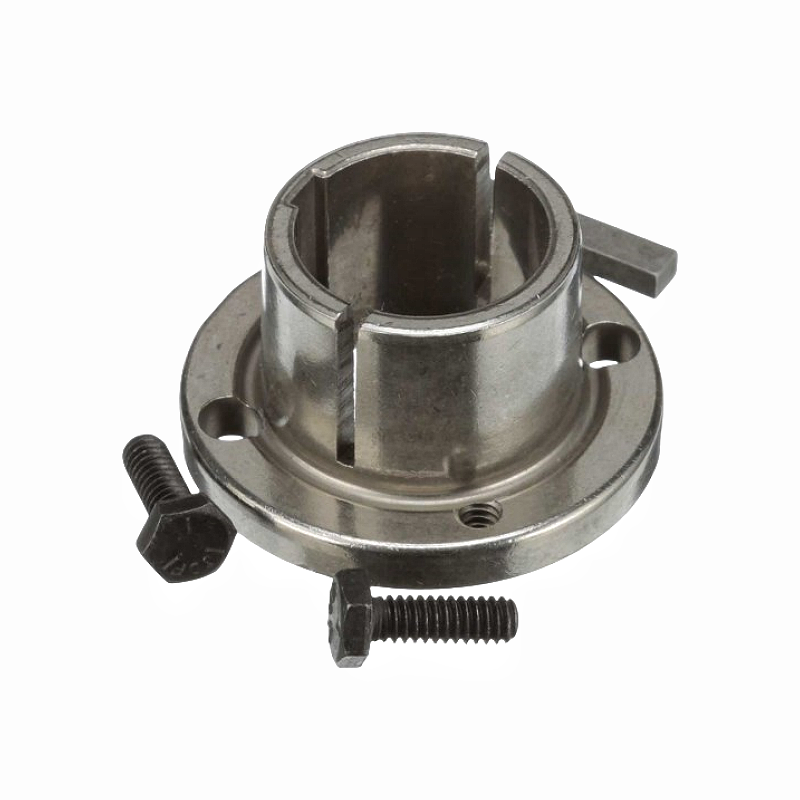
STB taper bushings are American standard taper bushings, primarily used to connect shafts and transmission components (such as pulleys, sprockets, etc.) and transmit torque.
They feature a split design (double opening in the sleeve body) + flange with symmetrical installation/removal holes.
The split taper bushing features a split structure, with its 8-degree outer conical surface tightly pressed against the inner conical surfaces of pulleys, sprockets, and other transmission components, significantly improving the centering accuracy of these parts. The split taper bushings' inner keyway is machined according to ISO standards, ensuring versatility and interchangeability for various applications.
How Does a Split Taper Bushing Work?
The primary function of a split taper bushing is to create a tight and reliable connection between the shaft and the hub component (such as a pulley or sprocket). It achieves this through two main features: the tapered outer surface and the split design.
Taper Locking Principle
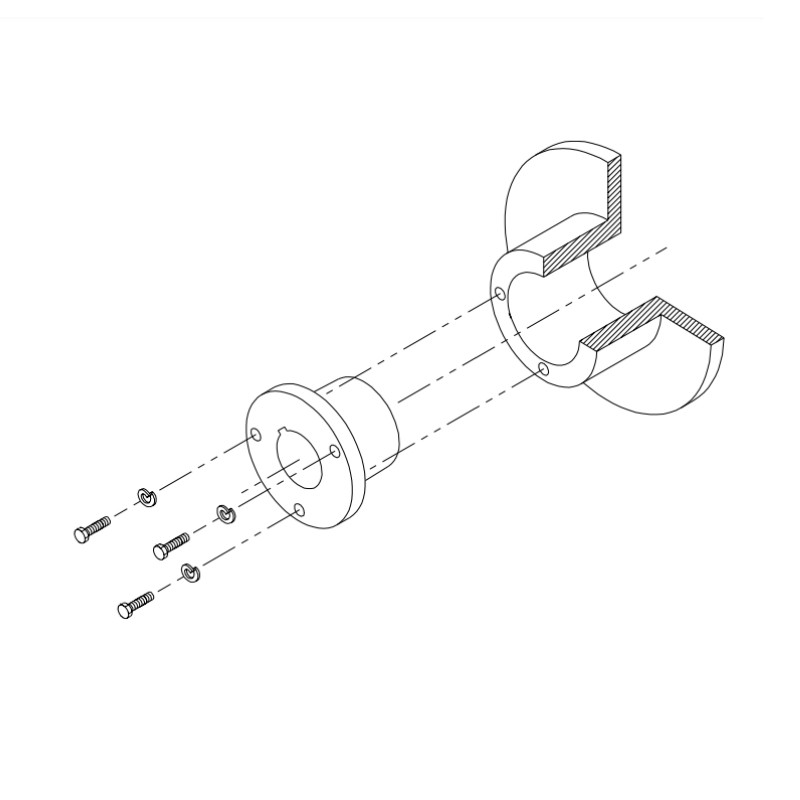
When cap screws are tightened, the split bushing is pulled into a matching tapered bore in the pulley or sprocket. This radial compression causes the bushing to grip the shaft with evenly distributed pressure, creating a rigid, backlash-free connection that transmits torque primarily through friction.
The 8° tapered angle, combined with surface roughness and material elasticity, creates a self-locking mechanism, effectively resisting vibration and eliminating the need for additional anti-loosening devices.
Split Design Function
The split taper bushing achieves radial elastic expansion through a longitudinal opening, ensuring a tight fit with the tapered surfaces of the shaft and hub, and automatically correcting concentricity. Uniform radial clamping force creates a reliable friction connection, which, combined with keyway positioning, makes torque transmission more stable, avoiding stress concentration and loosening problems associated with traditional keyed connections.
Key Components of Split Taper Bushing
A split taper bushing consists of several key components, each of which plays a vital role in its function and performance.
Bushing Body
The bushing body is the main structural part, usually made of cast iron or steel for strength and durability. Its tapered outer surface ensures a tight fit on the shaft during installation.
Split Slot
The split slot allows the bushing to flex and clamp securely onto the shaft. This design simplifies installation and reduces the need for precise alignment.
Mounting Screws
Mounting screws are used to tighten the bushing onto the shaft, applying even pressure when tightened. Some designs also include jacking screws for easy removal.
Materials of Split Taper Bushings
The materials used in manufacturing split taper bushings are related to their performance and durability. Typically, these bushings are made from cast iron or steel.
Cast Iron:
Cast iron is widely used for split taper bushings due to its excellent vibration-damping properties and ease of machining. It also offers a good balance of strength and cost-effectiveness, making it suitable for general-purpose applications.
Steel:
For heavy-duty or high-torque applications, steel bushings are preferred due to their superior strength and load-bearing capacity. Steel split taper bushings are often used in applications involving high mechanical stress or extreme operating conditions.
Typical Applications of Split Taper Bushings
Split taper bushings are versatile components used in various industrial applications, particularly in power transmission systems. Some common applications include:
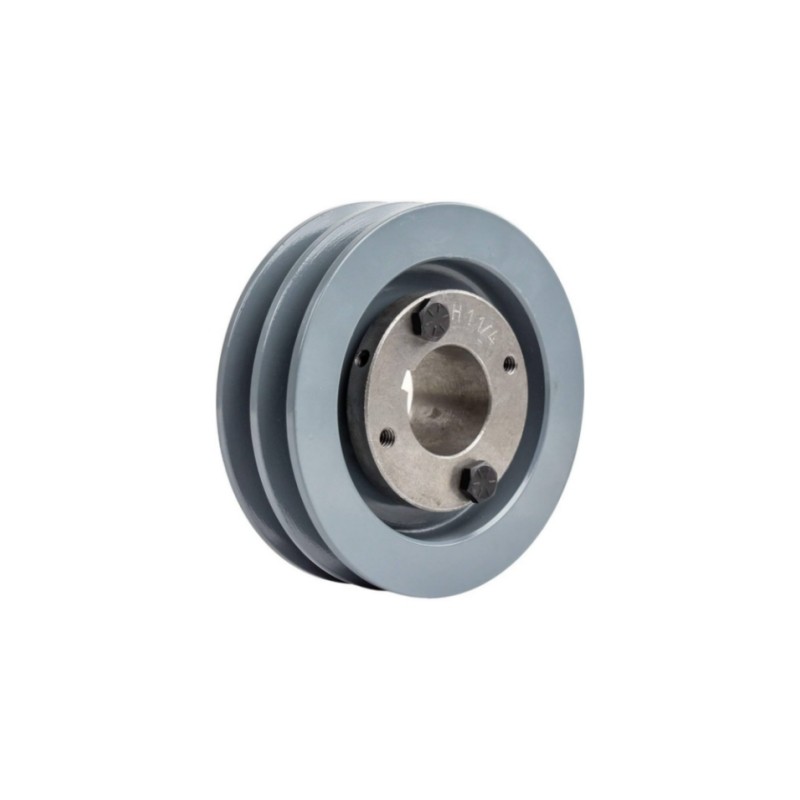
Belt Drive Systems:
Split taper bushings are frequently used in pulleys and sheaves for belt drives. Their ability to securely grip the shaft while maintaining precise alignment makes them ideal for this application.
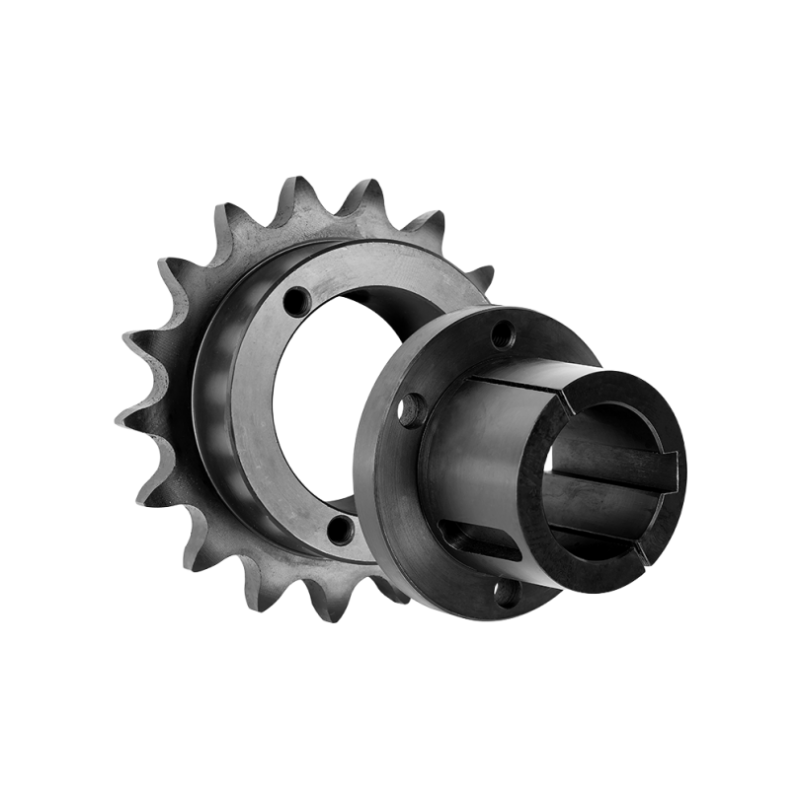
Chain Drive Systems:
Sprockets in chain drive systems often rely on split taper bushings for secure mounting on shafts. This ensures reliable torque transmission and prevents slippage during operation.
Industrial Fans and Blowers:
In large ventilation systems, split taper bushings are used to mount fan blades or impellers onto shafts, ensuring smooth operation and preventing misalignment.
Advantages of Taper Lock Bushings
Secure Torque Transmission
The self-locking taper ensures that torque is transmitted securely and reliably, minimizing the risk of slippage or misalignment. This makes split taper bushings ideal for medium-to-high torque applications.
Shaft Protection
Because of the split design, split taper bushings do not permanently deform the shaft, allowing for easy removal and replacement. This feature helps extend the lifespan of the shaft and reduces maintenance costs.
Alignment and Balance
The tapered design and split slot ensure precise alignment of the bushing, which helps maintain balance during operation. This reduces vibration and improves the overall performance of the system.
Split Taper Bushing vs Other Bushing Types
When selecting a bushing for a power transmission system, it's essential to consider the different types available. Split taper bushings, QD bushings, and taper lock bushings all offer different advantages depending on the application.
To see a detailed, side-by-side comparison of torque capacity, installation difficulty, maintenance frequency, and operating conditions, read our guide: Split Taper Bushing vs QD Bushing: Which One Should You Choose?
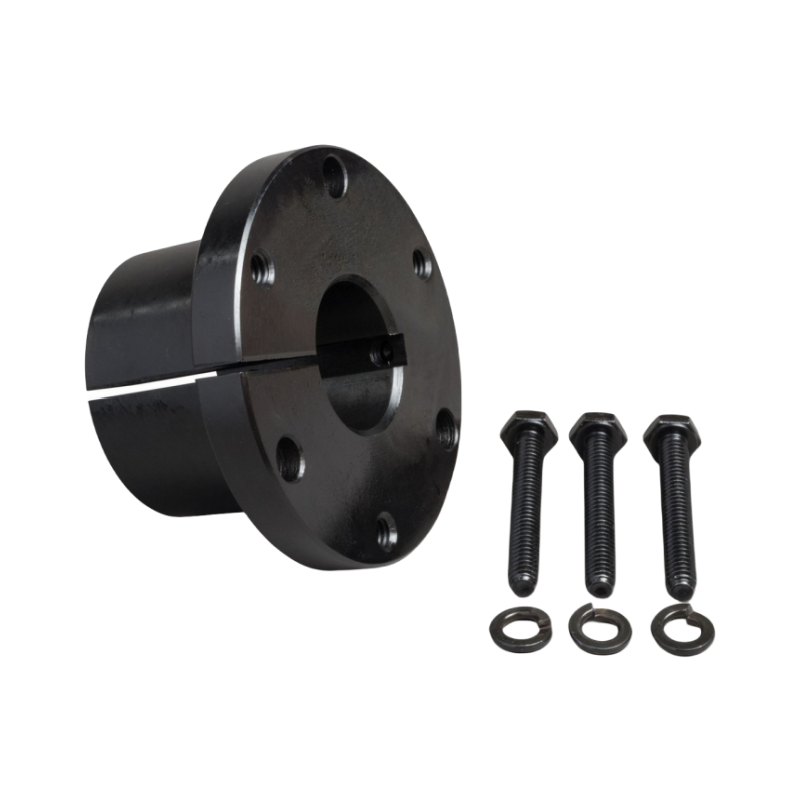
Taper lock bushings are similar to split taper bushings. They are best suited for heavy-duty applications that require high torque.
Split taper bushings provide a reliable, standardized solution for secure shaft–hub connections in industrial power transmission applications.
View our Split Taper Bushing Size & Dimension Chart, or contact our engineering team for assistance with bushing selection and application compatibility. We can supply Browning & Martin split taper bushing replacements for you.
References
The technical information in this article is based on generally accepted power transmission principles and industry references, including:
- McMaster-Carr – Split Tapered Bushings and Shaft-Hub Connections
https://www.mcmaster.com/split-tapered-bushings/
- Martin Sprocket & Gear – Split Taper Bushing Catalog and Engineering Data
https://www.martinsprocket.com/products/bushings/split-taper-bushings
- Regal Rexnord (Browning) – Power Transmission Engineering Resources
https://www.regalrexnord.com/brands/browning
- Machinery's Handbook – Shaft-Hub Connections and Tapered Fits