Roller Chain Failures: Casuses and Solutions
- Share
- Issue Time
- May 30,2025
Summary
Understanding common roller chain failures, including their causes and solutions, helps you reduce downtime.
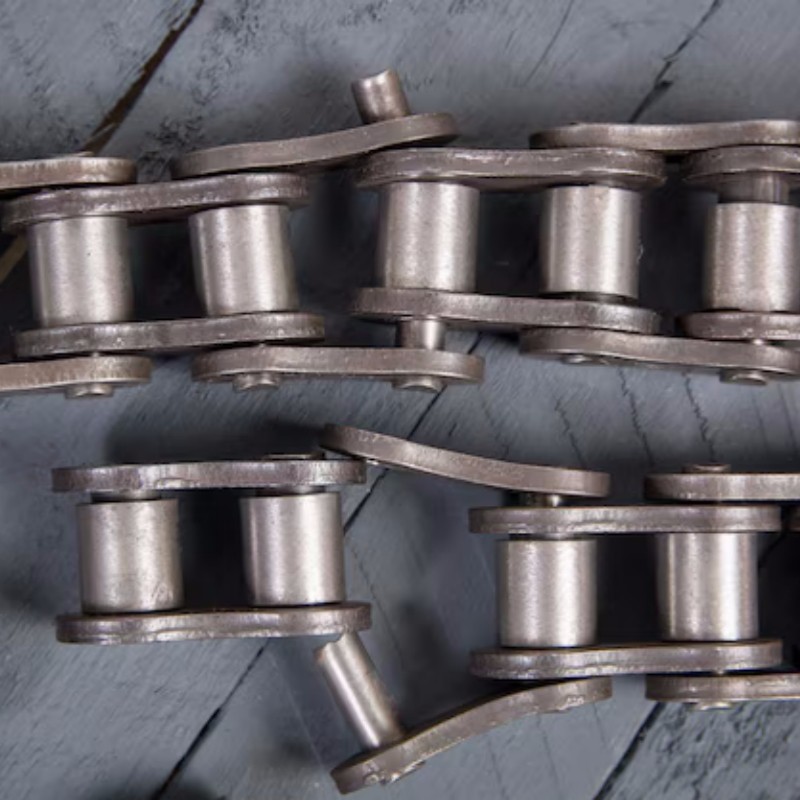
Quick-Reference Roller Chain Failure Table
| Symptom | First Checkpoint | Next Step if Unresolved |
| Elongation(>2%) | Measure chain stretch | Inspect lubrication & contamination |
| Skipping | Check elongation & sprockets | Realign shafts |
| Noise/Vibration | Lube level & chain tension | Inspect rollers & plates |
Rust/Pitting | Environmental controls | Upgrade to corrosion-resistant chain |
Link/Pin Fracture | Shock-load protection | Use higher fatigue-rated chain material |
Roller Chain Failures Analysis
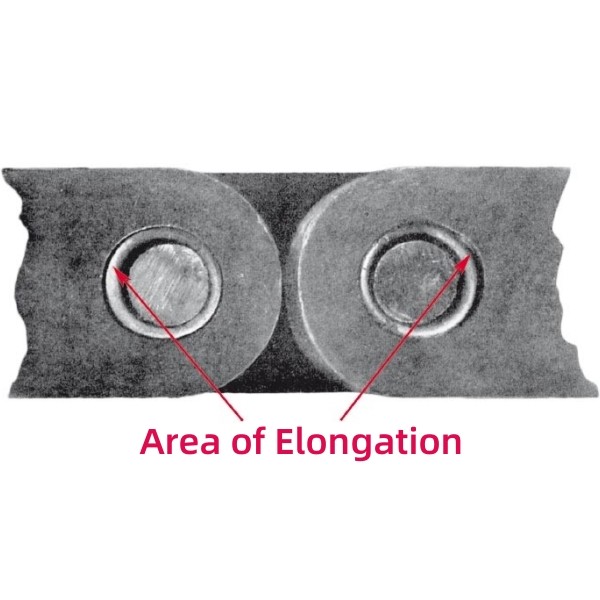
1) Roller Chain Elogation(Chain Stretch)
• Chain measures over 2% longer than nominal pitch
• Poor sprocket engagement, frequent skipping
Cause
1. Normal wear between the pin and bushing
2. Inadequate lubrication (high friction accelerates wear)
3. Contaminant ingress (abrasive dust or debris)
Solution
✔ Replace the chain at 2 % elongation
✔ Stock spare chains; swap as part of planned maintenance
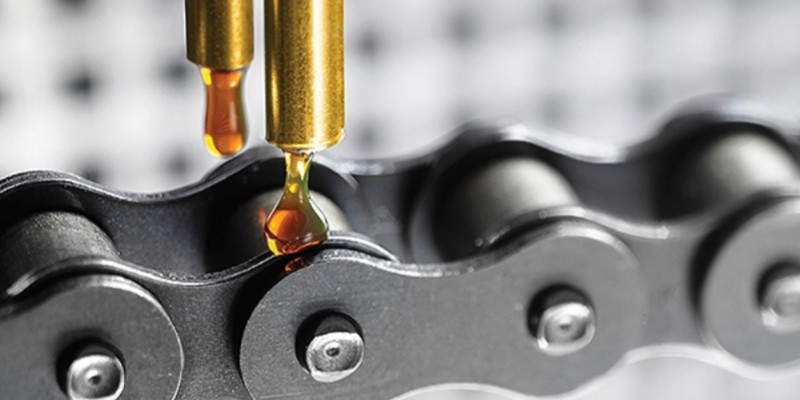
✔ Switch to an oil-mist or centralized lubrication system
✔ Use oil with EP additives
✔ Install full-cover chain guards
✔ Clean and re-lubricate at more frequent intervals
2) Chain Skipping or Jumping
• Chain skips a tooth under load
• Intermittent power loss, lurching motion
Cause
1. Excessive chain elongation
2. Worn or hooked sprocket teeth
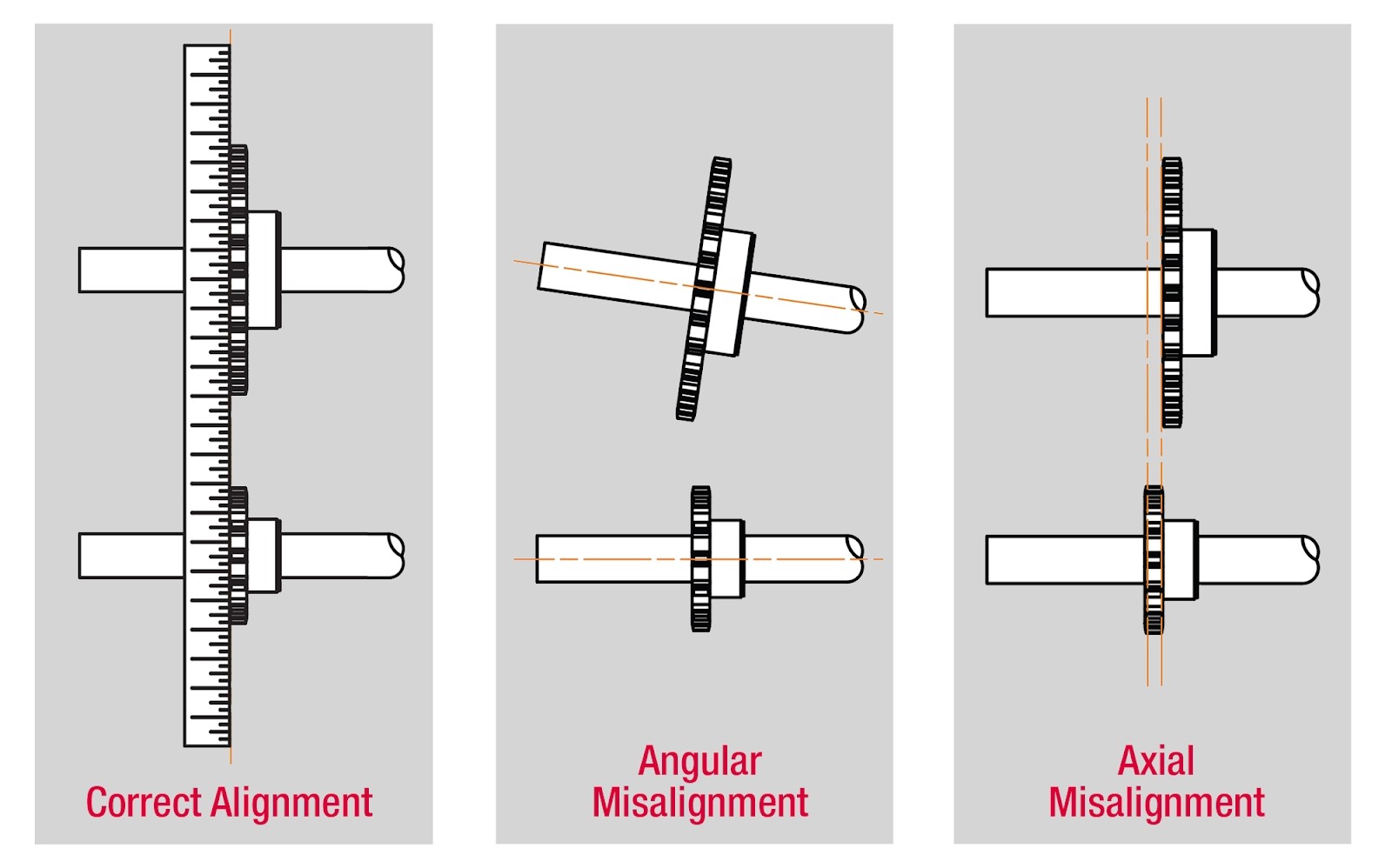
3. Misalignment between driver and follower sprockets
Solution
✔ Measure & replace the elongated chain
✔ Inspect sprockets; replace if the teeth profile is hooked or mushroomed
✔ Realign shafts within 0.1mm per meter using laser or dial-indicator tools
✔ Add adjustable motor mounts
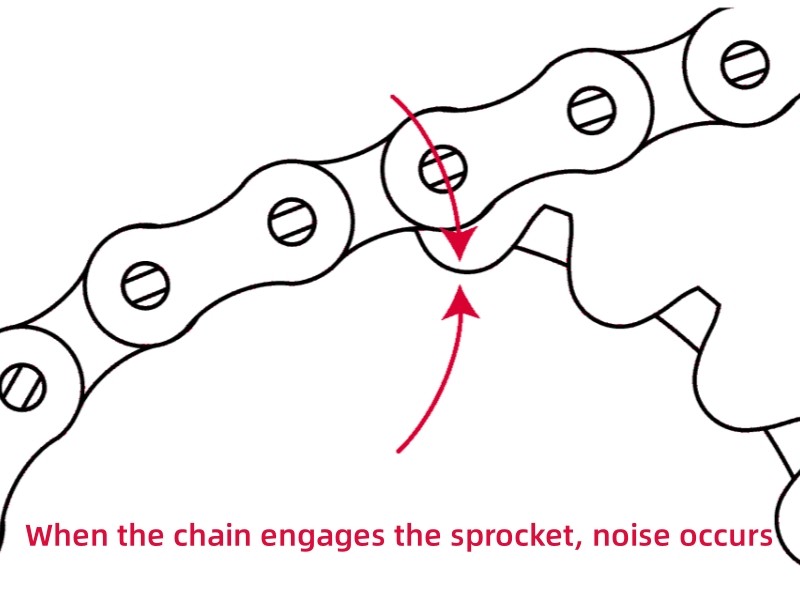
3) Abnormal Noise or Vibration
• Grinding, rattling, or metallic clicking
• Noticeable vibration at the chain drive
Cause
1. Lack of lubrication or wrong lubricant viscosity
2. Loose chain tension
3. Damage to rollers or link plates
Solution
✔ Verify lubricant viscosity matches operating temperature
✔ Increase application frequency
✔ Set tension so chain droop is 2–3 % of span length
✔ Install automatic tensioners in long spans
✔ Inspect for flat spots or cracks; replace damaged chain links
4) Corrosion & Surface Pitting
• Rust discoloration on plates and rollers
• "Pitted" metal surfaces are visible
Cause
1. Exposure to moisture, acids, or alkalis
2. Infrequent cleaning—trapped water/chemicals degrade metal
Solution
✔ Switch to stainless-steel or nickel-plated chain
✔ Improve drainage and humidity control
✔ Implement wash-down procedure with rust-inhibitor rinse
✔ Dry thoroughly, then re-lubricate
5) Link or Pin Breakage
• Sudden chain fracture at a single link
• Complete drive shutdown
Cause
1. Shock loading (jams, sudden torque spikes)
2. Fatigue cracking from cyclic bending at the pin-plate interface
3. Manufacturing defect or material inclusion
Solution
✔ Add shock absorbers or torque-limiting couplings upstream of the chain drive
✔ Use a chain with case-hardened pins and a higher fatigue rating.
✔ Avoid operating above rated load.
✔ Source chain from ISO- or ANSI-certified suppliers.
✔ Inspect the new chain before installation.
6) Excessive Wear on One Side of the Chain
• One side of the link plates or rollers shows deeper wear
• Chain binds or rubs against guides
Cause
1. Sprocket misalignment or shaft deflection
2. Side-loading from poorly designed guides or sprockets
Solution
✔ Check & correct alignment; use precision machining for bearing seats
✔ Redesign guides for full-face support.
✔ Ensure sprocket faces are square to the chain path.
Real Case Study

Situation: A high-speed food-packaging line was experiencing chain breakage every 2–3 weeks.
Analysis: Microscopic pitting had combined with inadequate lubrication and rapid-cycle loading to initiate fatigue cracks.
Solution: Switched to stainless-steel chain with a food-grade oil-mist system, increased sprocket alignment precision, and added a shock-absorbing tensioner.
Result: Mean time between failures rose to over six months, cutting downtime by 90 %.
CTS® | Professional Chain Manufacturer
CTS®-ChinaTransmissionS is a professional roller chain supplier with over 15 years in the power transmission industry.
As a professional roller chain supplier, our experienced technical team always learns the latest manufacturing technology. We offer various industrial chain options: roller chains, conveyor chains, stainless steel chains, heavy-duty roller chains, double-pitch roller chains, roller chain attachments, etc.
If you have any questions about roller chains, please contact us.