QD Bushing Size Chart: Dimensions & Shaft Guide
- Share
- Issue Time
- Feb 25,2026
Summary
This guide explains the complete QD bushing size chart, including dimensions, bore ranges, and common series such as JA, SDS, SK, and SF.
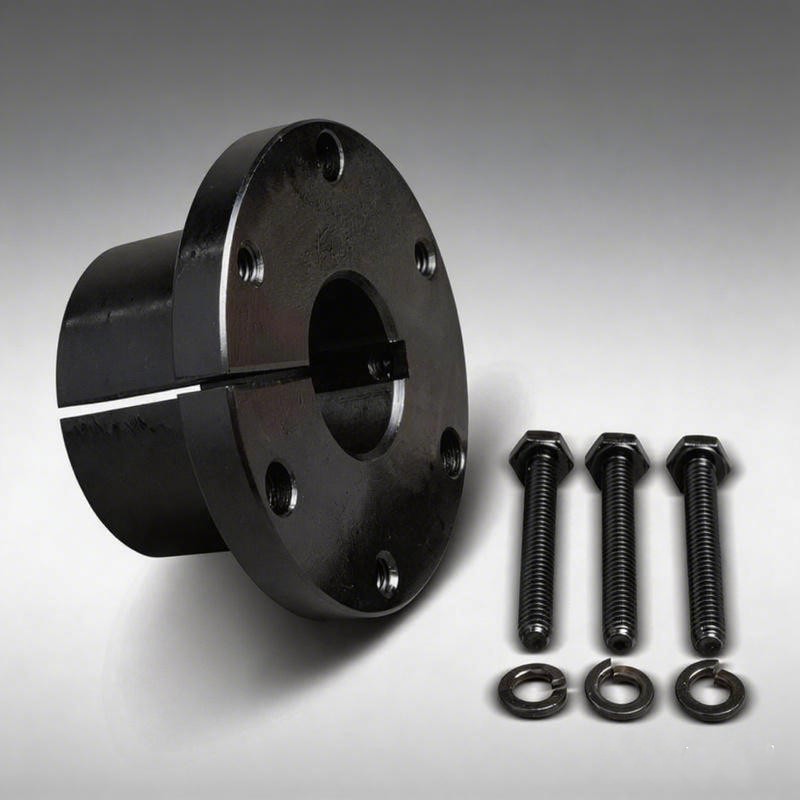
QD Bushing Size Matters in Power Transmission
A QD bushing works through a tapered interface combined with mounting bolts that draw the bushing into the hub. As the bolts are tightened, the taper creates radial pressure that clamps the shaft securely. This design creates a strong frictional connection capable of transmitting significant torque without excessive movement or vibration.
Because of this mechanism, the dimensions of the bushing directly influence performance. A larger bushing generally provides:
• Greater contact surface between the shaft and the bushing
• Higher clamping force
• Increased torque capacity
• Improved resistance to vibration or misalignment
On the other hand, choosing a bushing that is too large or incompatible with the hub can create installation problems or improper alignment. For this reason, manufacturers publish detailed QD bushing size charts that define the dimensions and mounting specifications for each series.
Standard QD Bushing Size Chart
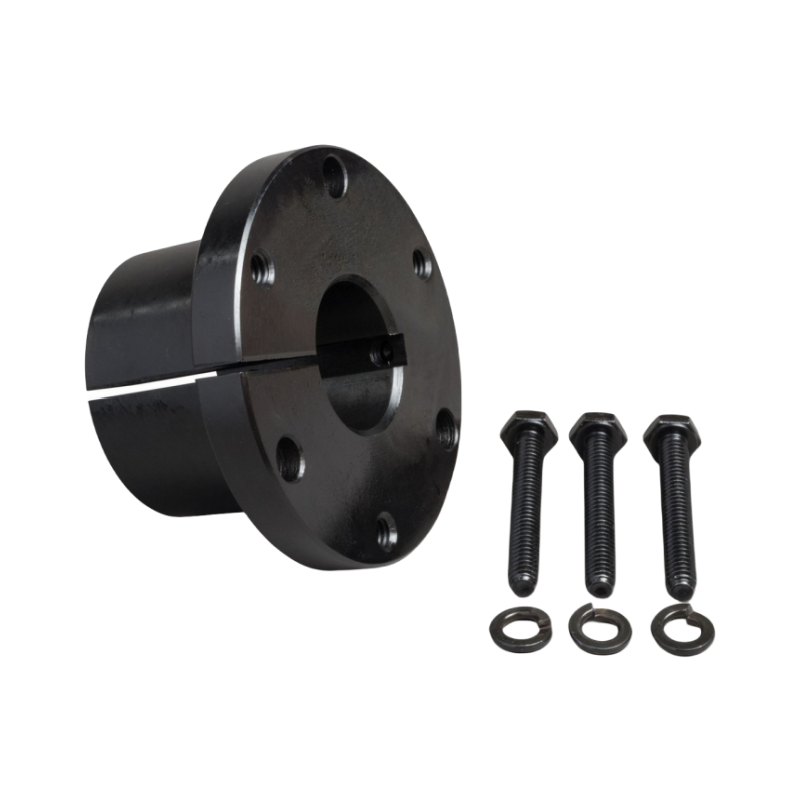
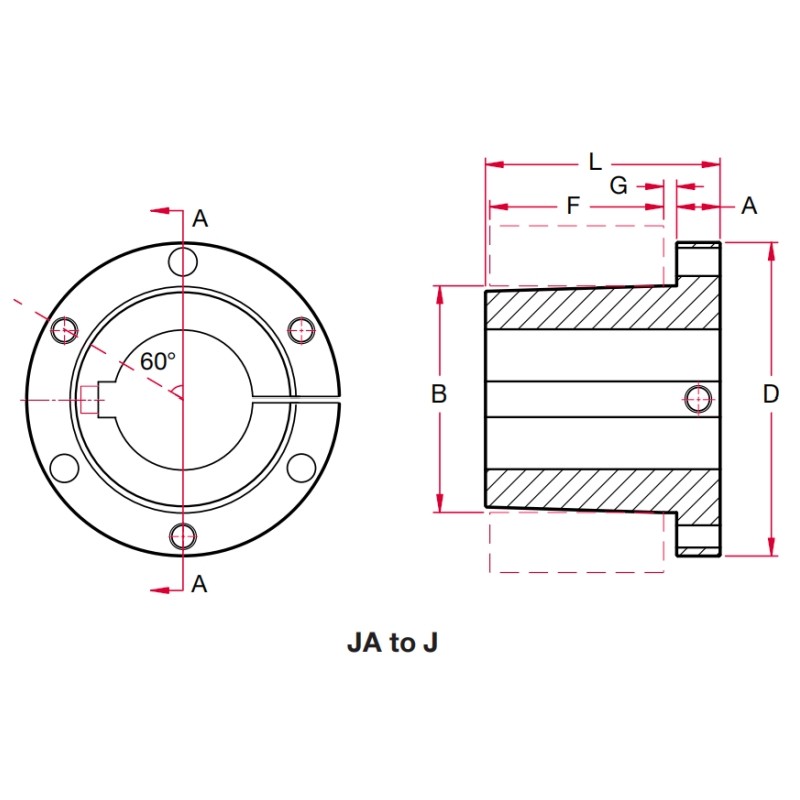
These dimensions define the external structure of the bushing and determine whether it will fit into the hub of a pulley or sprocket designed for that specific series. For example, a pulley designed for an SK bushing cannot accommodate an SDS bushing because the outside diameter and bolt circle differ. This standardized design ensures compatibility between bushings and the hubs they are intended to fit.
QD Bushing Bore Size and Shaft Compatibility
Another key parameter shown in a QD bushing size chart is the bore range, which indicates the shaft diameters that the bushing can accommodate. Each series supports a range of bore sizes because the bushing can be machined to different internal diameters while maintaining the same external dimensions. Below is an example of typical bore ranges:
| QD Bushing Series | Typical Bore Range |
| SDS Bushing | 1/2" - 2" |
| SK Bushing | 1/2" - 2-5/8" |
| SF Bushing | 1/2" - 2-15/16" |
The actual bore is typically machined to match the shaft diameter and includes a keyway that aligns with the shaft key. This key provides additional torque transmission and prevents rotational slip. Many qd bushings are also available with metric bores, allowing them to be used in equipment built to international standards.
How to Choose the Right QD Bushing Size
Selecting the correct bushing involves several considerations that go beyond simply matching the shaft diameter.
The first factor is shaft size. The bore must match the shaft precisely to ensure proper alignment and torque transmission. A mismatch in bore size can lead to vibration, premature wear, or installation difficulties.
The second factor is torque load. High-power drives require larger bushings capable of generating a stronger clamping force. This is why larger series such as SK or SF are often selected for heavy industrial equipment.
Compatibility with the mounted component is also critical. The hub of the pulley or sprocket must be specifically designed for the selected QD bushing series. In many cases, manufacturers provide hubs with interchangeable bushings to accommodate different shaft diameters while maintaining the same external component.
Finally, environmental conditions should be considered. Applications involving dust, moisture, or high temperatures may require corrosion-resistant materials or protective coatings.
Typical Applications of Different Bushing Sizes
The QD (Quick Detachable) bushing system is a versatile mounting solution that simplifies the installation and maintenance of power transmission components like chain sprockets, v-belt pulleys, and weld-on hubs. By utilizing a tapered design to securely lock these elements onto a shaft, the system eliminates the need for extensive disassembly, allowing for rapid replacement and high-torque reliability in demanding mechanical applications.
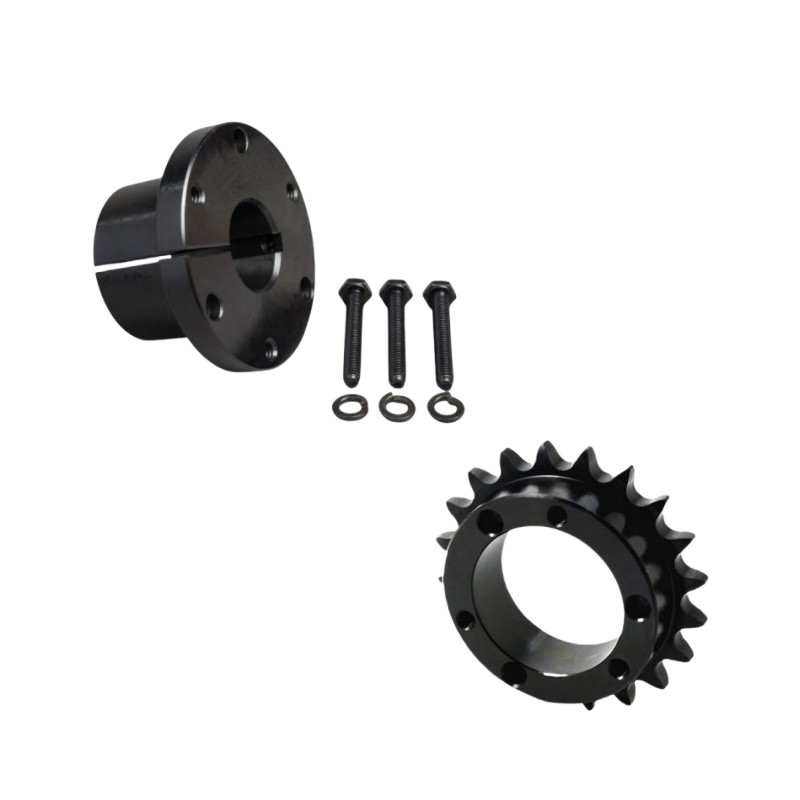
QD Bushing For Sprockets
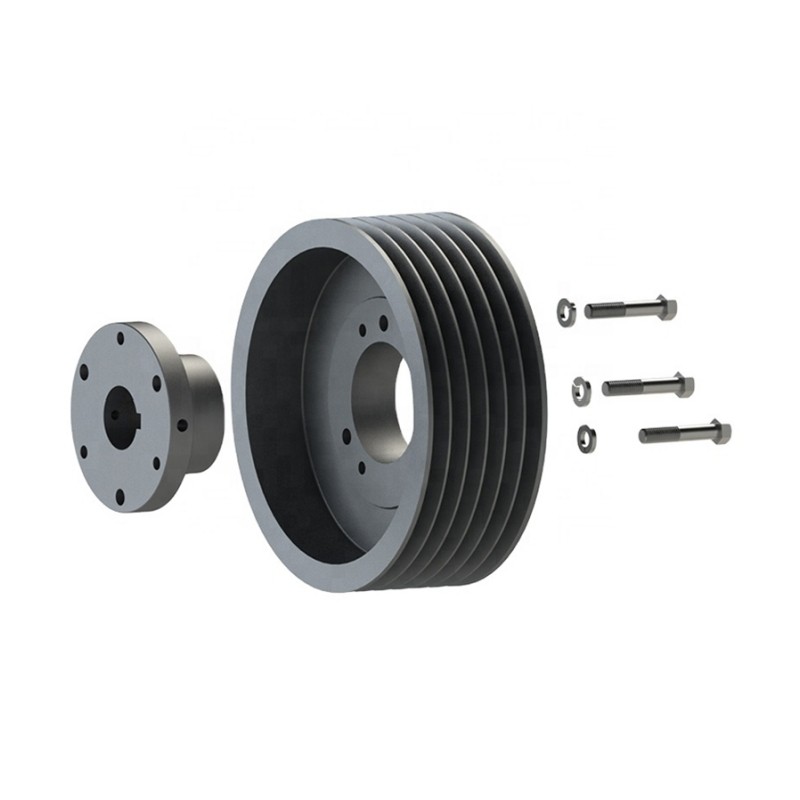
QD Bushing For V-belt Pulleys
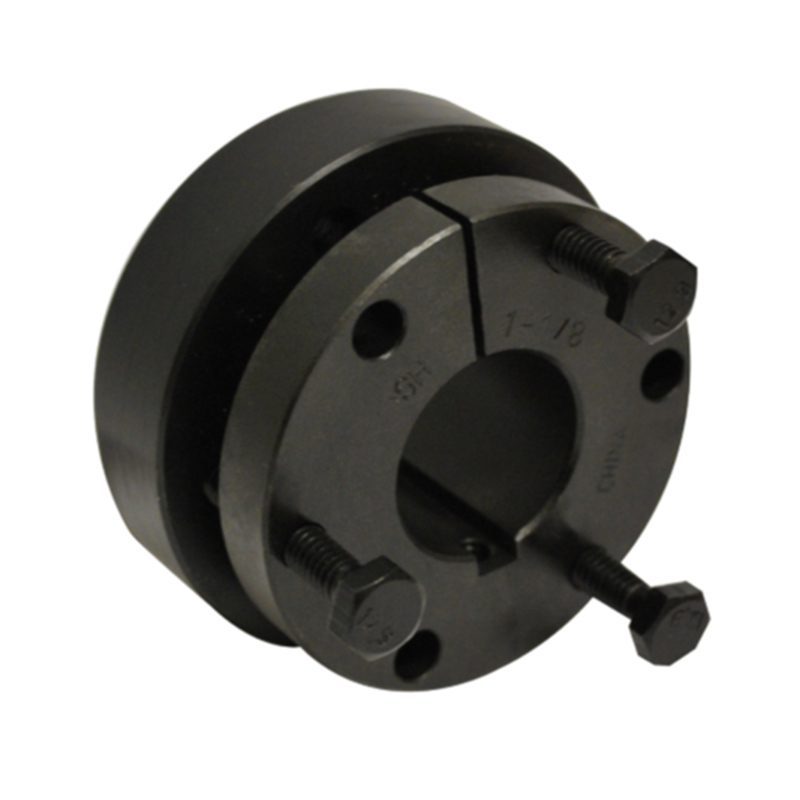
QD Bushing For Weld-on Hubs
QD bushings are used across a wide range of industries where reliable shaft mounting is required.
• Smaller bushings, such as JA bushing or SH bushing are often found in HVAC equipment and light industrial machinery, where compact design and moderate loads are common.
• Medium-sized series like SDS bushing and SK bushing appear frequently in agricultural machines, conveyor systems, and packaging equipment. These environments require dependable torque transmission combined with relatively easy maintenance.
• Larger series such as SF, E, or F bushings are typically used in heavy industrial applications, including mining equipment, bulk material conveyors, and large processing machinery.
Need expert insight on selecting QD bushings for your power transmission components? As a professional manufacturer, we offer technical support to ensure your sprockets and pulleys perform at their best. Contact us anytime for a consultation.