How to Select the Right Sprocket for Wastewater Screening
- Share
- Issue Time
- Jul 15,2026
Summary
Discover why stainless steel segmental sprockets are used in wastewater screening equipment. Learn about design advantages, material selection, M112 chain compatibility, and custom sprocket manufacturing.
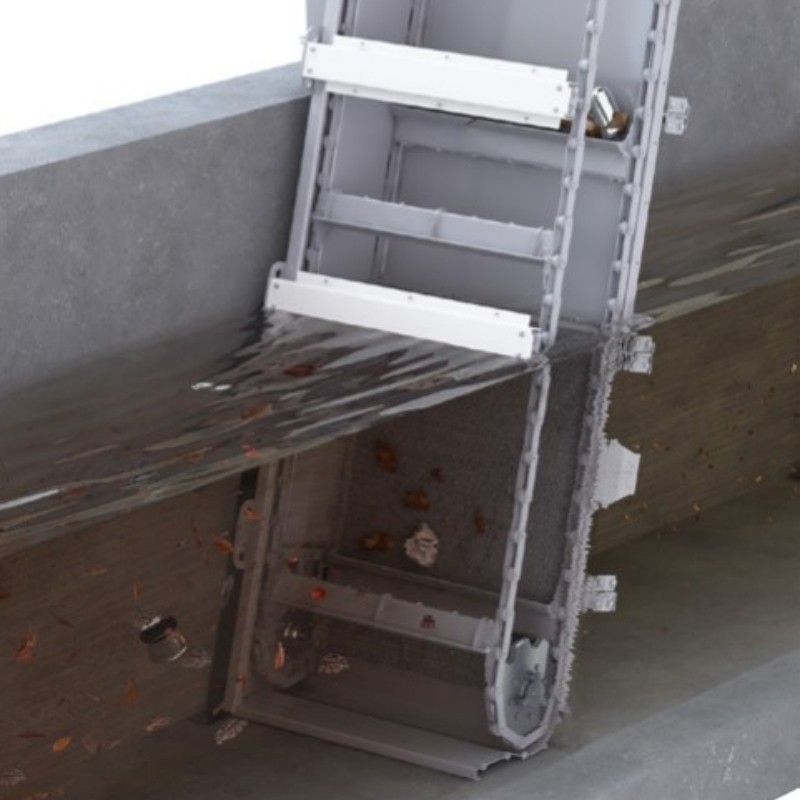
Chain Sprockets in Wastewater Screening Equipment
A sprocket transmits torque from the drive system to the engineering conveyor chain, ensuring stable movement of the screening mechanism.
A typical system includes: Motor → Gearbox → Drive Shaft → Sprocket → Engineering Chain →Screening System.
The sprocket provides power transmission, chain guidance, and load distribution.
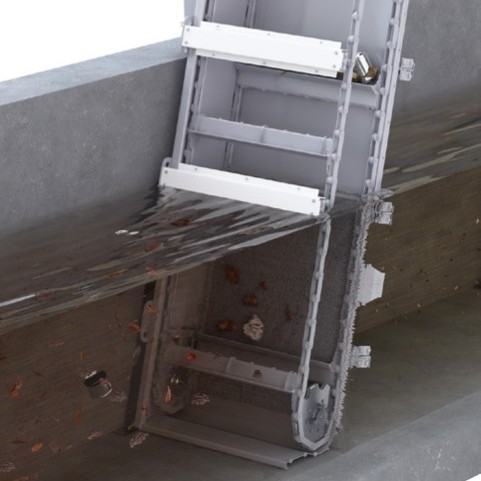
Wastewater Industry Requires Specialized Sprockets
Corrosion Resistance in Wet Environments
Wastewater equipment is exposed to water, humidity, and corrosive substances. Stainless steel materials help improve durability and reduce maintenance requirements.
Continuous Operation Requirements
Many screening systems operate continuously, making reliable sprocket performance essential.
Mechanical Loads and Contaminants
Solid materials and debris create additional wear conditions, requiring accurate chain engagement.
Case Study: Custom Segmental Sprocket for Sulzer MevaScreen® Systems
How CTS engineered a stainless steel M112 sprocket solution for one of the world's best-known mechanically cleaned bar screens.
Sulzer Nordic MevaScreen® — Wastewater Screening Equipment
Application: mechanically cleaned bar screens for municipal & industrial wastewater treatment · Duty: continuous, wet, contaminant-heavy
BACKGROUND
Wastewater screening: mechanically cleaned bar screens to remove solids from the incoming flow. The raking mechanism is chain-driven — which means the sprockets are a mission-critical component: they must pull the engineering chain and rakes reliably, 24/7, in a permanently wet and corrosive environment.
THE CHALLENGE
Corrosion: The sprockets operate in raw wastewater — humidity, chlorides, and aggressive media demand stainless steel throughout, including fasteners.
Accurate engagement: The drive had to engage precisely with the M112 engineering conveyor chain; any profile deviation causes skipping, vibration, and premature wear.
Maintainability: Replacing a full solid sprocket means shaft removal, extended equipment downtime, and extra labor — unacceptable for a unit with no backup.
Custom fit: The installation required a bespoke solution tailored to the screening equipment's geometry and duty, not an off-the-shelf catalog part.
THE CTS SOLUTION
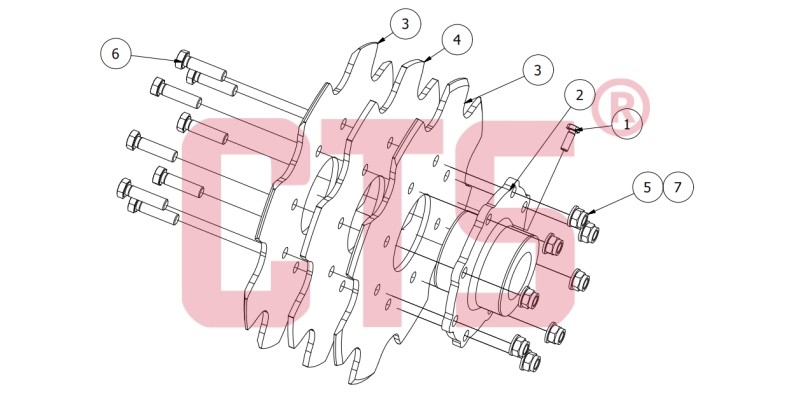
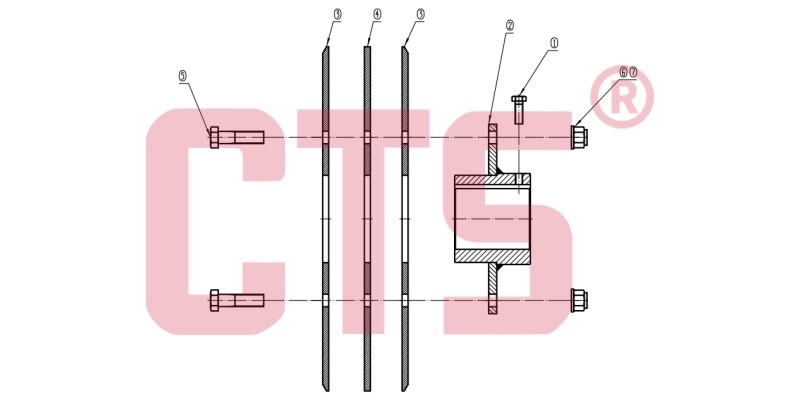
CTS developed a customized stainless steel M112 segmental sprocket designed specifically for Sulzer MevaScreen® wastewater screening systems:
| Component | CTS Selection | Segmental Design Sprocket |
| Sprocket body | Stainless Steel 304 | Corrosion resistance+suitable mechanical strength for wet environment |
| Fasteners | SS316 stainless steel screws | Fastening areas demand maximum corrosion resistance; prevents seized bolts enables segment replacement |
| Tooth profile | Engineered for M112 engineering chain | Accurate engagement, stable tracking, even load distribution |
Design type | Three sprocket plates+central hub+fasteners | Easier maintenance, flexible manufacturing, customized engineering |
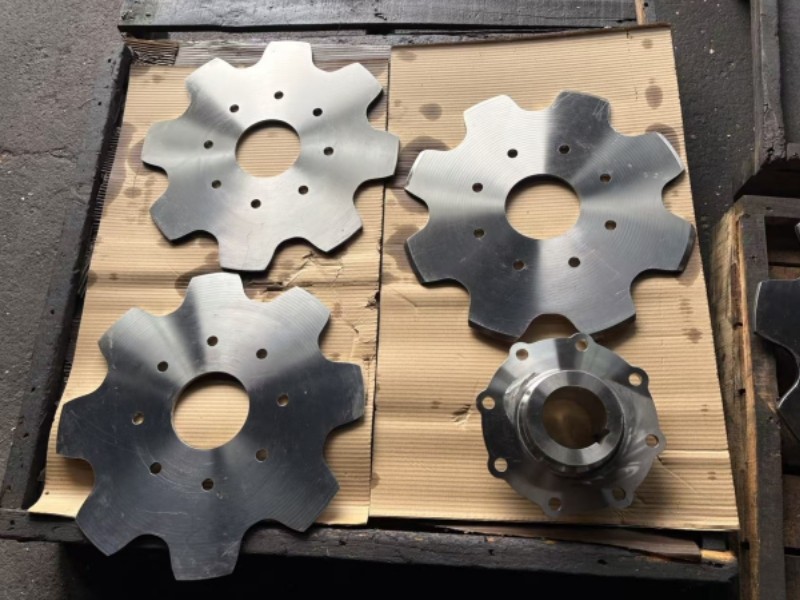
WHY A SEGMENTAL DESIGN WON HERE
• Easier maintenance & replacement: Worn tooth sections are swapped individually — no shaft removal, minimal downtime, less labor.
• Better manufacturing flexibility: Segments are easier to machine than a full large-diameter blank, with more flexible production and simpler handling.
• Customized possibilities: Chain size, tooth profile, and shaft connection were all engineered for this specific MevaScreen® application.
Result: A corrosion-resistant, accurately engaging M112 sprocket solution that keeps the screening drive running reliably in wet conditions — with significantly lower maintenance costs and downtime when tooth segments eventually wear
CTS Custom Sprocket Manufacturing Capability
CTS supports customers through reverse engineering, precision CNC machining, customized material selection, prototype development, and OEM production.
✔Reverse Engineering
Rebuild a sprocket from a worn sample or field measurements when drawings are unavailable.
✔Precision CNC Machining
Consistent tooth profiles, bores, and keyways with documented quality control.
✔Material Selection
SS304, SS316, and engineered coatings matched to your environment and duty.
✔Prototype & OEM
Develop and validate prototypes, then scale to OEM production volumes.
Our engineering approach allows customers to develop sprocket solutions based on drawings, samples, or application requirements. Through engineering design, material selection, and precision manufacturing, CTS helps customers develop custom sprocket solutions for demanding industrial applications.
👉 Contact CTS today for custom sprockets for your application.
FAQs
SS304 or SS316 — which should I choose for my sprocket?
SS304 is the cost-effective default for most municipal wastewater screening duty. Upgrade to SS316/SS316L when the environment has high chloride content, coastal exposure, or aggressive chemical dosing. Fasteners should typically be SS316 even when the body is SS304, because small threaded parts corrode and seize first.
Do you support custom tooth profiles and non-standard shaft connections?
Absolutely. Tooth profile, bore size, keyway, taper bush, and hub geometry can all be customized to suit the chain and the existing drive shaft.