How to Choose the Right Oven Conveyor Chain for High-Temperature Food Processing
- Share
- Issue Time
- Jun 24,2026
Summary
Learn how to choose the right oven conveyor chain for bakery, food processing, and can manufacturing applications. Discover design features, materials, maintenance tips, and custom solutions for high-temperature conveying systems.
What Is an Oven Conveyor Chain?
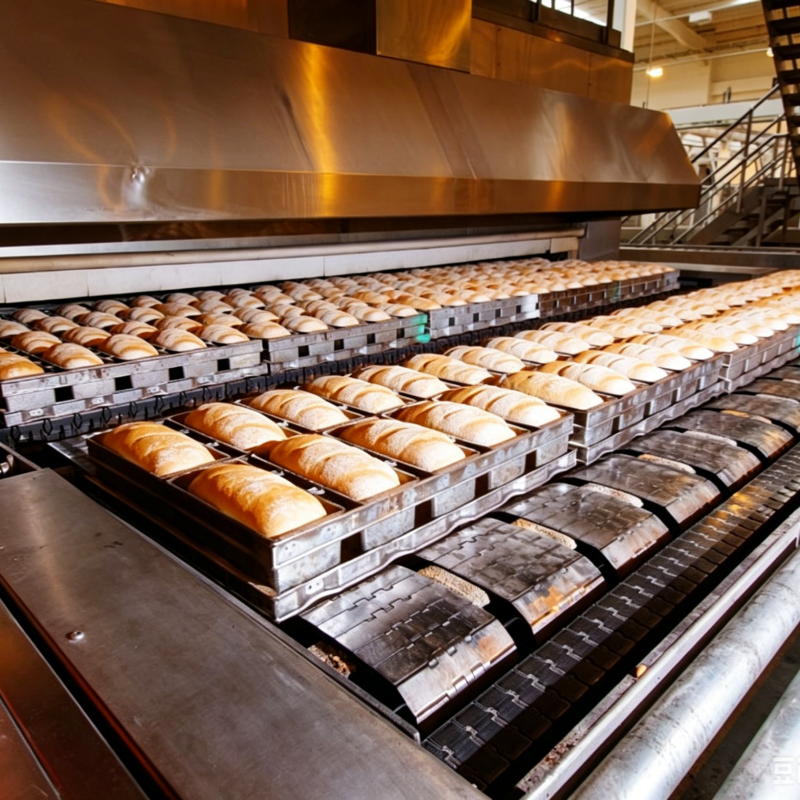
An oven conveyor chain is a specialized conveyor chain designed to transport products through continuous heating or curing equipment while maintaining stable positioning and reliable operation under high temperatures.
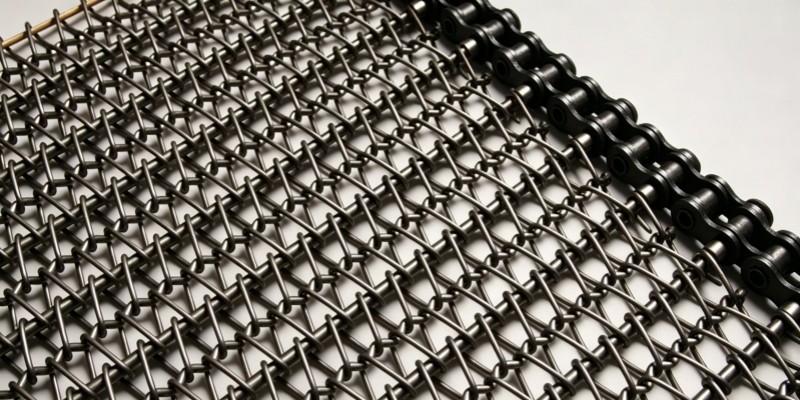
These chains are widely used in industries such as:
Bakery production lines
Food processing equipment
Beverage can manufacturing
Metal can decorating and curing
Drying and coating systems
Industrial heat treatment lines
Depending on the application, oven conveyor chains may carry products directly or use extended pins, attachments, or specially designed carriers to transport items through the heating zone. Many systems operate continuously for long periods, making durability and wear resistance essential.
Why Standard Roller Chains Fail in Oven Applications
Many production lines initially use standard roller chains because of their lower cost. However, when exposed to elevated temperatures for extended periods, conventional chains often experience premature wear and unexpected failures.
Lubrication Breakdown
Conventional lubricants evaporate or degrade quickly under high temperatures, leaving the pin and bushing surfaces inadequately protected.
Thermal Expansion
Pins, bushings, and side plates expand as temperatures rise. If the chain is not designed with appropriate operating clearances, increased friction may lead to stiff joints and accelerated wear.
Accelerated Wear
Without sufficient lubrication and proper heat treatment, the pin and bushing become the primary wear points, causing chain elongation and inaccurate sprocket engagement.
Continuous Production
Unlike many industrial conveyors that operate intermittently, oven conveyor systems often run continuously for multiple shifts, placing significantly higher demands on fatigue strength and wear resistance.
Key Design Features of Oven Conveyor Chains
High-quality oven conveyor chains differ from standard roller chains in several important ways.
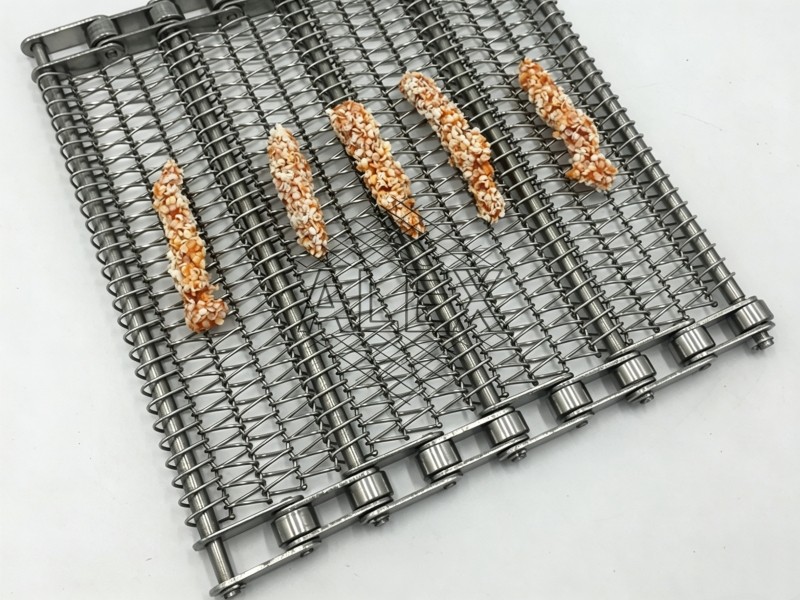
Increased Internal Clearance
Many high-temperature chains adopt adjusted pin-bushing gaps to offset thermal expansion and deliver better lubrication to key friction surfaces.
Heat-Resistant Materials
Chain parts are made of heat-treated carbon steel, alloy steel, stainless steel, or nickel-plated steel against corrosion, based on working temperature and production conditions. Material choice also considers humidity, cleaning agents, and food safety standards.
High-Temperature Lubrication
Special high-temperature lubricants are used in food production environments; food-grade lubricants are often required.
Surface Treatment
Apply case hardening, nitriding, chrome plating, shot peening, and other processes to boost wear resistance, fatigue strength, and service life under harsh working conditions.
Common Types of Oven Conveyor Chains
• Pin Oven Chain
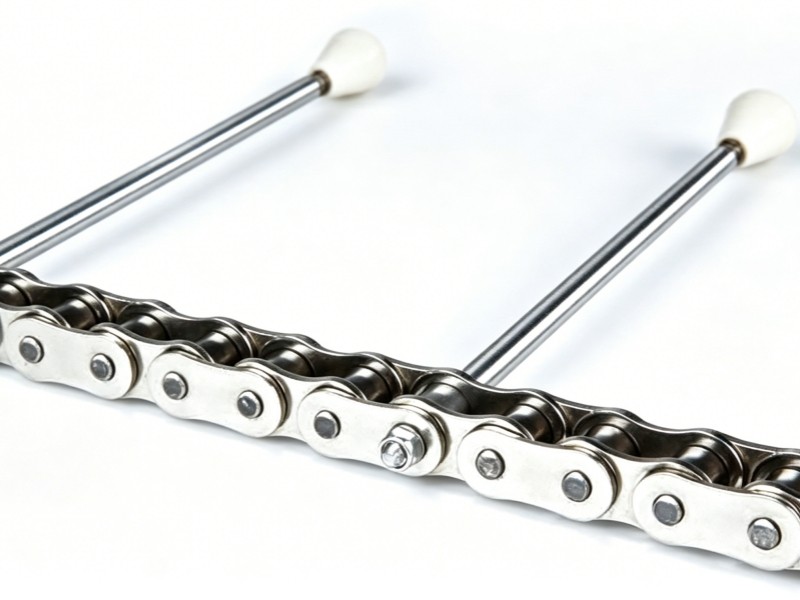
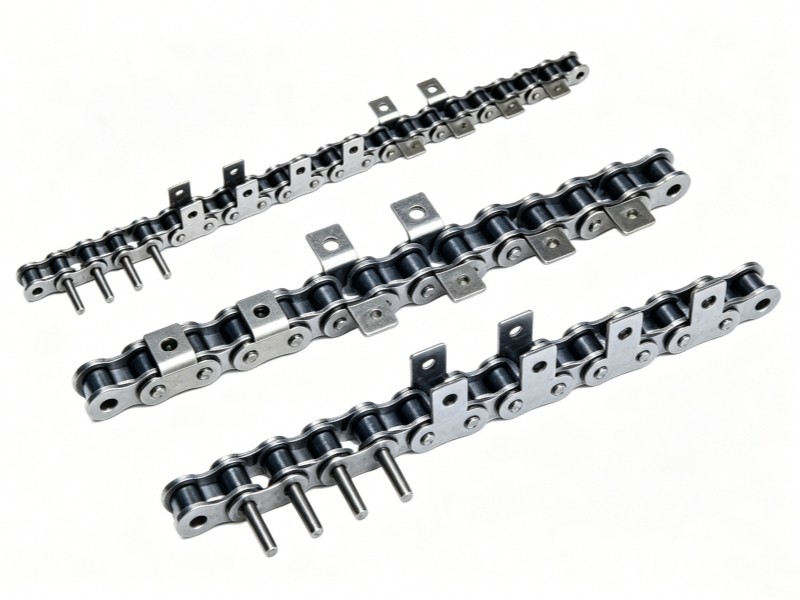
Pin oven chains are widely used in beverage can production, where extended transport pins hold cans securely while they pass through curing ovens.
Unlike welded attachments, the transport pins are typically integrated into the chain plate, resulting in greater strength and improved reliability.
• Hollow Pin Oven Chain
Hollow pin chain designs allow attachments or carriers to be installed more easily, making them suitable for customized conveying systems.
• Attachment Conveyor Chain
Attachment chains use welded or assembled fixtures to transport products with unique shapes or positioning requirements.
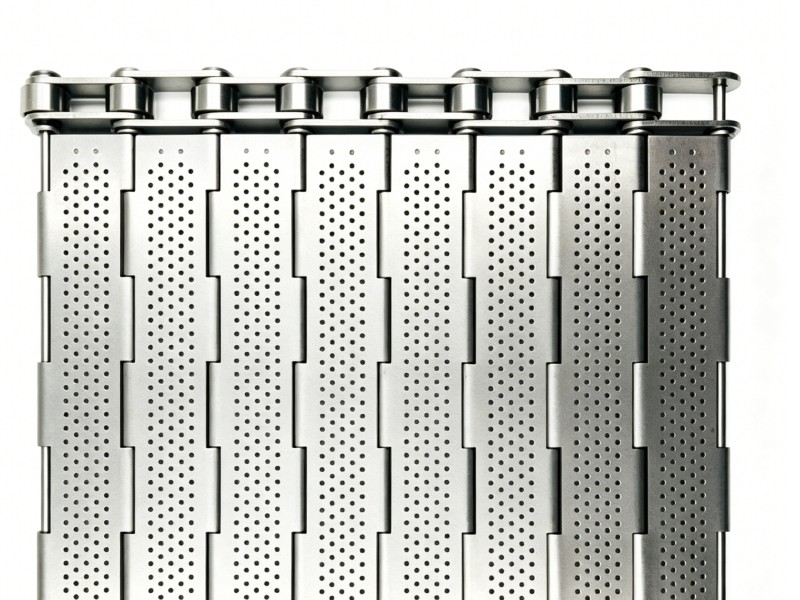
• Stainless Steel Oven Chain
Ideal for applications involving moisture, washdown procedures, or corrosive environments, stainless steel chains offer excellent corrosion resistance while maintaining reliable operation.
How to Extend the Service Life of an Oven Conveyor Chain
Even the best chain requires proper maintenance to achieve its expected service life. Recommended practices include:
1) Use lubricants specifically designed for high-temperature operation.
2) Regularly inspect chain elongation and replace worn chains before excessive stretch damages sprockets.
3) Check sprocket wear to ensure proper chain engagement.
4) Maintain correct chain tension, avoiding both excessive slack and over-tightening.
5) Keep the conveyor system properly aligned to prevent uneven loading.
6) Inspect transport pins and attachments for damage, especially after conveyor jams.
Routine preventive maintenance can significantly reduce unexpected downtime and lower long-term operating costs.
Custom Oven Conveyor Chain Solutions
Every oven conveyor system operates under different conditions. Factors such as temperature, conveyor speed, product weight, and equipment design often require customized chain solutions rather than standard catalog products.
Typical customization options include:
✔ Custom chain pitch
✔ Extended pin configurations
✔ Attachment design
✔ Pin spacing
✔ Heat treatment specifications
✔ Surface coatings
✔ Stainless steel or alloy steel materials
✔ High-temperature lubrication
✔ Special sprocket matching
For high-speed production lines, engineering customization can significantly improve service life while reducing maintenance frequency.
Why Choose CTS for Custom Oven Conveyor Chains?
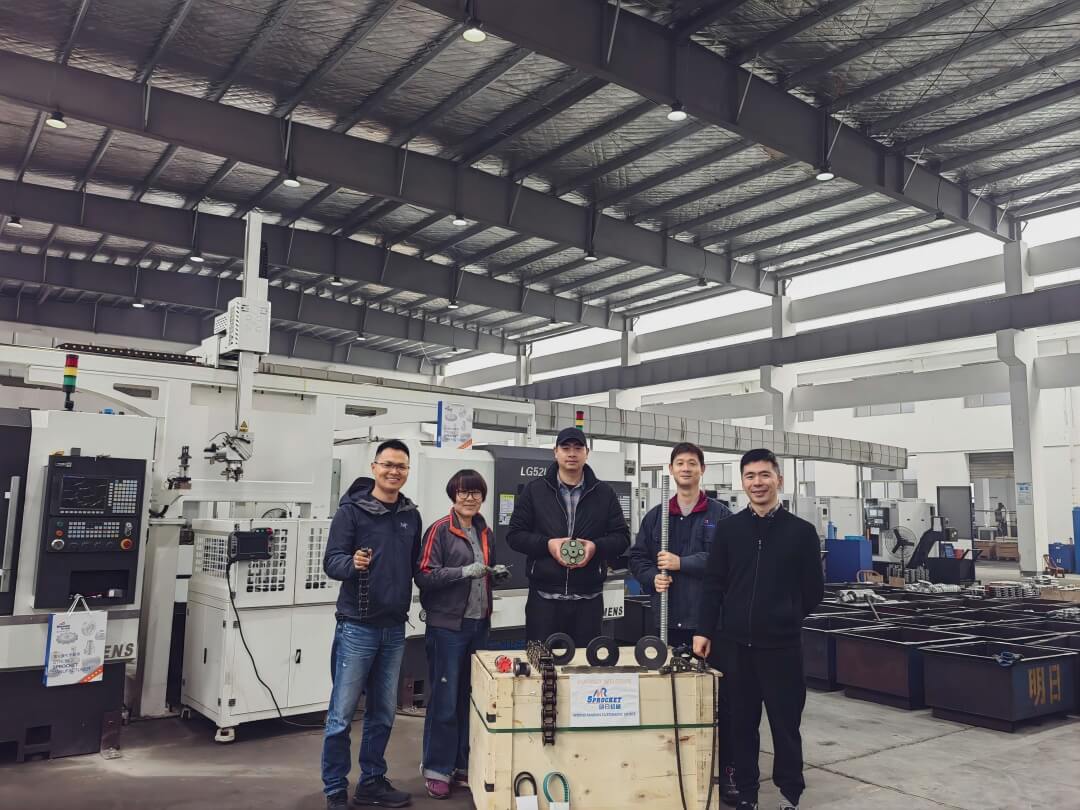
At CTS, we manufacture custom conveyor chain solutions for demanding industrial applications.
Our engineering capabilities include:
Custom chain design based on OEM drawings or samples
Precision-machined sprocket matching
Heat-treated wear components
Various material and surface treatment options
Strict quality inspection throughout production
Support for OEM and bulk manufacturing projects
Whether you need replacement chains for an existing production line or a fully customized solution for new equipment, our engineering team can help you select the most suitable configuration for your application.
FAQs
What temperature can an oven conveyor chain withstand?
The operating temperature depends on the chain material, lubrication, and design. High-temperature chains are commonly used in applications ranging from approximately 150°C to over 300°C, with specialized configurations available for more demanding environments.
Can standard roller chains be used in baking ovens?
Standard roller chains may work temporarily but generally experience faster wear, lubrication failure, and reduced service life in continuous high-temperature environments.
Can oven conveyor chains be customized?
Yes. Most manufacturers can customize chain pitch, pin length, attachment style, materials, heat treatment, lubrication, and protective coatings to meet specific equipment requirements.