5 Signs of a High-Quality Industrial Sprocket Manufacturer (2026 Guide)
- Share
- Issue Time
- Nov 21,2024
Summary
Learn the 5 signs of a high-quality industrial sprocket manufacturer: materials, certifications, machining, quality control, and after-sales support. Includes red flags and an FAQ.
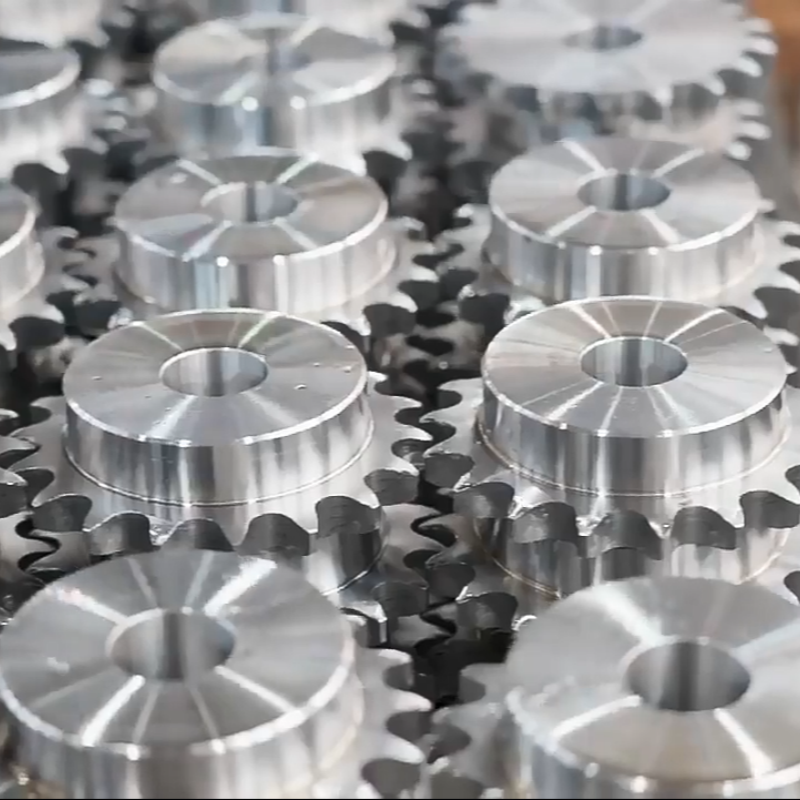
The 5 Signs at a Glance
An industrial sprocket is one of the most heavily loaded components in any chain drive. When it is poorly designed or manufactured, you do not just replace a part — you stop a production line. Before you place your next order, check these five signs to separate a genuine industrial sprocket manufacturer from a middleman.
Sign 1: Transparent materials and international standards
Sign 2: Real in-house manufacturing capability
Sign 3: Customization and engineering support
Sign 4: Documented quality control and testing
Sign 5: Proven track record and responsive after-sales service
Transparent Materials and International Standards Compliance
Quality starts with raw materials. A high-quality industrial sprocket manufacturer openly states which grades they use and can prove it. For industrial chain sprockets, the common grades are carbon and alloy steels such as C45 and 42CrMo for standard and high-wear applications, and stainless steel SS304 or SS316 for food, pharmaceutical, and corrosive environments.
Standards matter just as much. ANSI B29.1 and DIN 8187/8188 define tooth profiles and pitch dimensions; a manufacturer that builds to these standards guarantees that your sprockets will mesh correctly with standard roller chain. Ask directly: “Can you provide material certificates and hardness test reports with every batch?” A real manufacturer says yes without hesitation.
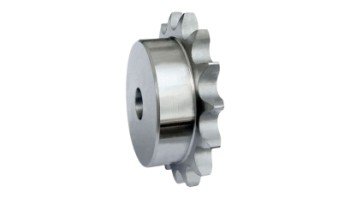
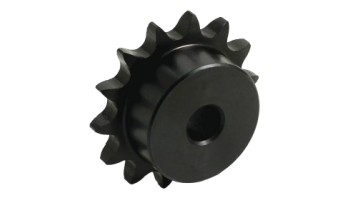
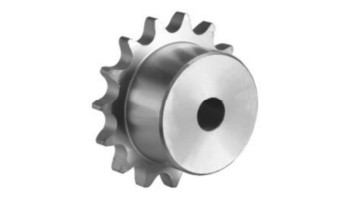
Need help choosing between ANSI, metric, or KANA series? Read our guide to selecting the right sprocket for your application.
Real Manufacturing Capability — Not Just a Trading Company
Many suppliers sell sprockets but cannot actually machine them. A genuine industrial sprocket manufacturer controls the process: CNC hobbing for accurate tooth profiles, precision drilling and broaching for bores and keyways, and heat treatment, such as induction quenching and carburizing, to harden the tooth surface while keeping the core tough.
CNC machining is the key differentiator. It holds tight tolerances on pitch, bore, and runout, which is what keeps chain operation smooth and quiet under load. Before ordering, ask for a factory video call, an equipment list, or photos of their production floor. If a supplier cannot show you how the sprockets are made, treat that as a warning sign.
To understand why heat treatment directly affects service life, see our article on industrial sprocket heat treatment methods.
Customization and Engineering Support
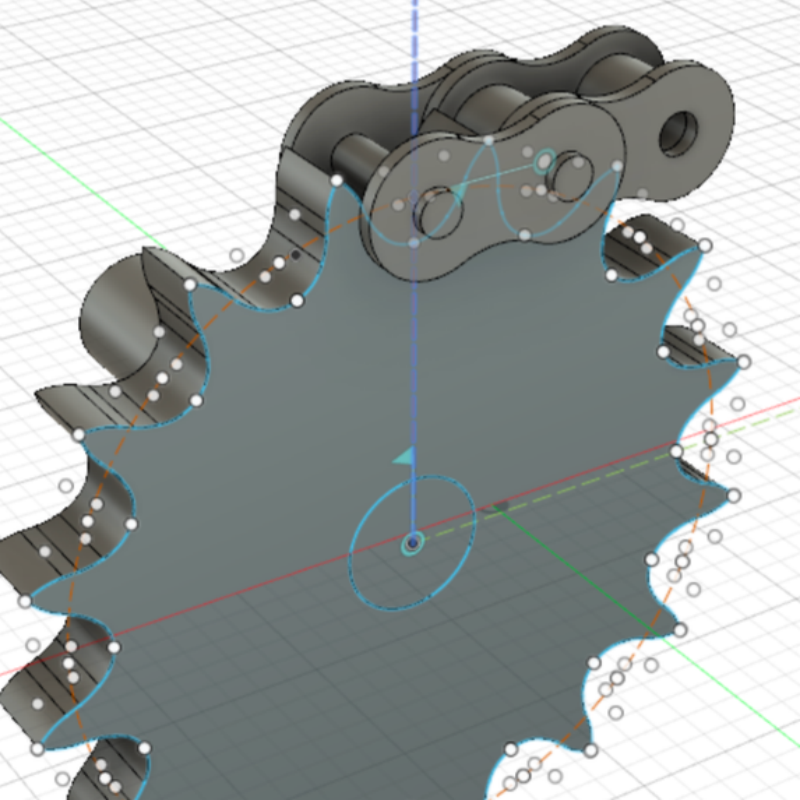
Standard catalogs only cover part of the market. High-quality manufacturers offer custom industrial sprockets: special tooth counts, non-standard pitch, custom bores, keyways, set screws, hubs, and double- or triple-strand designs for harsh working environments.
What separates a capable factory from the rest is engineering support. A good manufacturer reviews your drawing, suggests material and heat treatment improvements, and returns a manufacturing drawing for approval before cutting steel. If you provide only a shaft size and a chain type, they should still be able to recommend the right bore, keyway, and fit.
Documented Quality Control and Testing
Inspection is where good factories earn their reputation. Look for a manufacturer that performs dimensional inspection of tooth profile and bore, hardness testing after heat treatment, and runout checks on finished sprockets. Reliable suppliers send QC reports with each shipment and offer pre-production samples for approval before mass production.
Ask these questions:
• Do you provide a dimensional inspection report with every batch?
• How do you verify tooth profile and bore tolerance?
• Can I approve samples before full production?
• What is your defect and rework rate?
Over time, sprockets wear, and so do chains. Learn how to recognize sprocket wear before it causes downtime.
Responsive After-Sales Service
After-sales service matters just as much as the first order. A reliable industrial sprocket manufacturer offers technical support, installation guidance, maintenance tips, and timely replacement parts. When a sprocket fails on a Friday night, a supplier who answers is worth more than one who sold you the lowest price.
Red Flags to Avoid
No material certificates or unwillingness to share test reports
Cannot show a factory, equipment list, or production video
Vague answers about standards (ANSI, DIN, ISO)
No QC process or sample approval offered
Prices far below market — usually means lower-grade steel or skipped heat treatment
No after-sales contact channel or slow response
Quick Checklist Before You Order
✔ Confirm chain type and pitch (ANSI, DIN, ISO) and tooth count
✔ Specify bore, keyway, and material grade
✔ Request material certificates and QC reports
✔ Approve a pre-production sample for custom orders
✔ Confirm heat treatment and hardness requirements
✔ Agree on lead time, packaging, and after-sales terms in writing
FAQ
What is the difference between ANSI and DIN sprockets?
ANSI (B29.1) and DIN (8187/8188) sprockets use different tooth profiles and pitch references and are designed for their respective chain standards. They are not interchangeable. Tell your manufacturer which chain standard you use, or browse our ANSI sprockets and DIN sprockets.
Which material is best for industrial sprockets?
C45 carbon steel suits general applications; 42CrMo alloy steel is better for high-load or high-wear duty; SS304/SS316 stainless steel is used for food, chemical, and corrosive environments. The right choice depends on load, speed, and working conditions.
Why CTS® — Your Industrial Sprocket Manufacturer
CTS® is a professional industrial sprocket manufacturer with more than 15 years of experience in the power transmission industry. We run our own factory and have a professional technical team, and we produce standard industrial sprockets to ANSI, DIN, and KANA standards as well as fully customized sprockets for unique applications. Our after-sales team provides technical support, installation guidance, and timely replacement parts.
If you have any questions about industrial sprockets or other transmission parts, contact us and our engineers will help you choose the right solution.